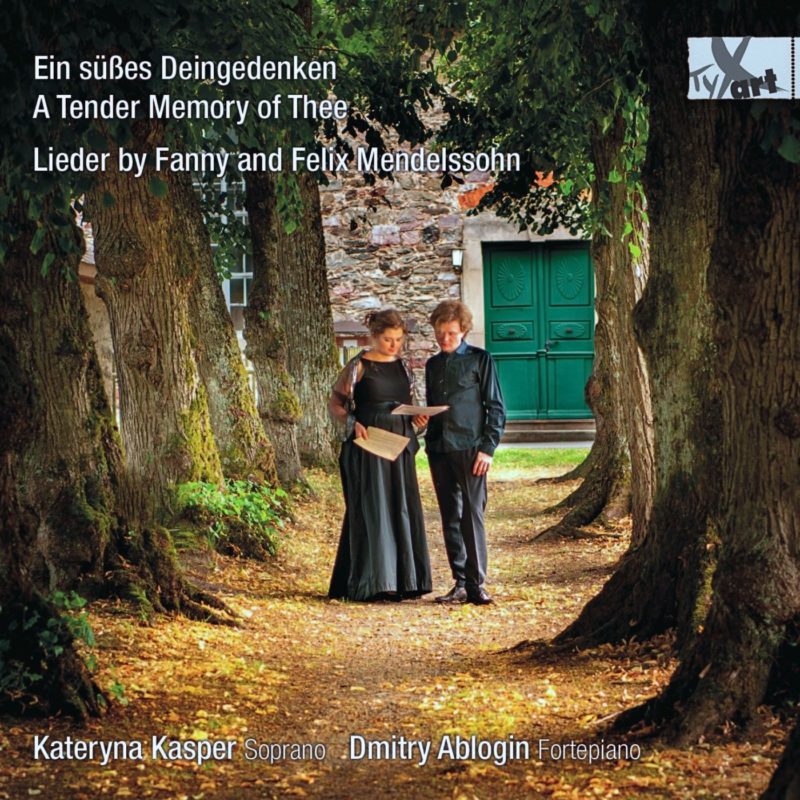
Ein süßes Deingedenken – Lieder von Fanny und Felix Mendelssohn
„(...) Das Album ist ganz einfach ein Juwel für sich. Ein süßes Deingedenken, das neue Doppelalbum mit Liedern der Mendelssohn-Geschwister von Kateryna Kasper und Dmitry Ablogin, schenkt auf so vielen Ebenen Freude und Stoff zum Nachdenken. Bei Team Rickson vergeben wir keine Sterne, aber bei diesem Album würde ich das Gebot gleich bei fünf eröffnen. Was mich sofort gefesselt hat, mag etwas abseitig wirken: Der allererste Klang, den man hört, ist eine improvisierte Fortepiano-Einleitung zu Felix’ „Auf Flügeln des Gesanges“, und es war der Klang des von Dmitry Ablogin gespielten Instruments, der mich sofort zum Booklet greifen ließ, um Genaueres zu erfahren. Das bemerkenswerte Klavier stammt aus dem Jahr 1835 und wurde von Aloys Aegydius Biber gebaut. (…) Es gibt reichlich Gelegenheiten, Ablogins stupendes Fortepiano-Spiel zu hören: den stürmischen Brocken, den er in Felix’ „Hexenlied“ heraufbeschwört, findet man gespenstisch mitreißend, und er verdient sich seinen Lohn mehr als redlich durch die schiere Virtuosität und die Fülle an Noten in Fannys „Anklänge“.
Sopranistin Kateryna Kaspers Gespür für den Aufbau einer steigenden Phrase, ihre Fähigkeit, der Stimme beim Aufstieg Leichtigkeit und Schwerelosigkeit zu verleihen, ist einfach wunderbar; Fannys „Achmed und Irza“ ist ein großartiges Beispiel dafür. Ihr Gestaltungsvermögen in langsamen Liedern ist bemerkenswert, etwa in Fannys „Harfner“-Lied („Wer sich der Einsamkeit ergibt“). Ihr traumhaftes, geradezu hinreißendes Legato ist in Fannys „Vorwurf“ auf einer Ebene mit Gundula Janowitz. Das Album ist vorbildlich dokumentiert. Wer Lust hat, in aller Ruhe die Hellwig-Unruh-Nummern von Fanny Mendelssohn nachzuvollziehen, findet sie vollständig. Wichtiger aber ist der substanzielle Einführungstext, der untersucht, wie die Mendelssohn-Geschwister einander unterstützten und beeinflussten, mit vielen Belegen aus ihrem Briefwechsel. Vielleicht ist es gar nicht übertrieben, Fanny und Felix als eines der Dream-Teams der Liedgeschichte zu sehen. Dieses großartige Doppelalbum liefert dafür jedenfalls reichlich Beweise.“
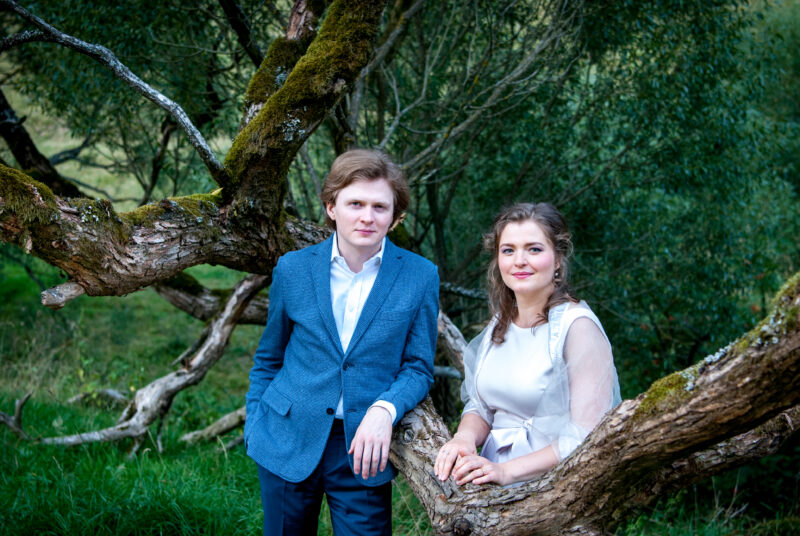 ©Andreas Kasper
www.klassik-heute.de, Rainer W. Janka 01.07.2022 "Kateryna Kasper ist eine der seltenen Sopranistinnen, der man lange und lange zuhören kann, deren Stimme man nicht müde wird: Sie singt immer richtig auf dem Atem, spürt den vertonten Empfingen nach, lässt ihren tonschönen Sopran frei fluten und aufleuchten, kann die Höhen ganz leicht ansetzen, besticht durch genaue Artikulation und die Hervorhebung sinnbetonender Wörter (...). Immer überzeugt ihr Geschmack, die Eleganz der Tongebung, die sorgfältige Ausformung der Vokale und der reine Fluss der Stimme.
Dmytri Ablogin spielt ein Fortepiano von Alois Biber um 1835, aus dem er viele fein abschattierte Klänge holt. Mal klingt das Fortepiano wie eine Gitarre, mal wie eine Harfe, mal wogend, mal wie eine Nachtigall flötend, dann wieder hochlebendig-vollrauschend – und immer umschmeichelt er gut abgetönt die Stimme der Sängerin.
Der Toningenieur sorgt für eine ausgetüftelte Klangbalance, ist ganz nahe am Mund der Sängerin, lässt aber niemand von den beiden sich ganz in den Vordergrund schieben. Insgesamt eine vorzügliche Darstellung der Liedkunst von Fanny Hensel und der symbiotischen Geschwisterbeziehung der beiden Wunderkinder aus der Familie Mendelssohn: Sehr zu empfehlen!“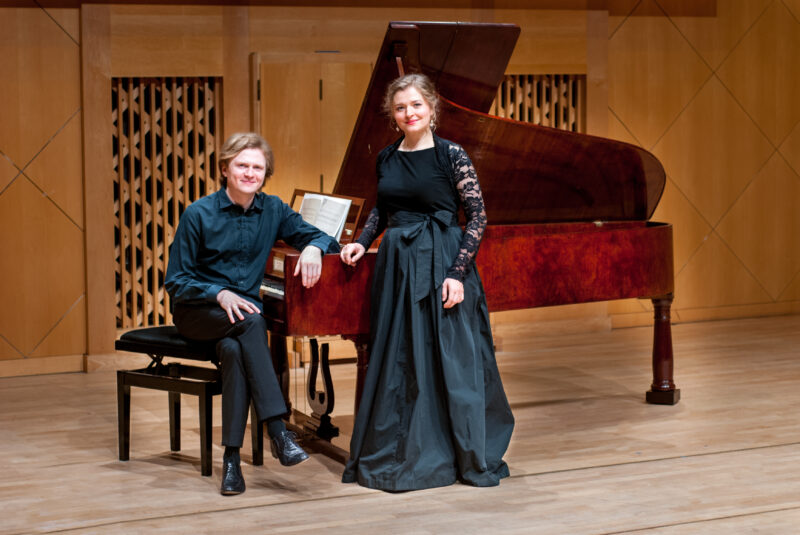 ©Andreas Kasper
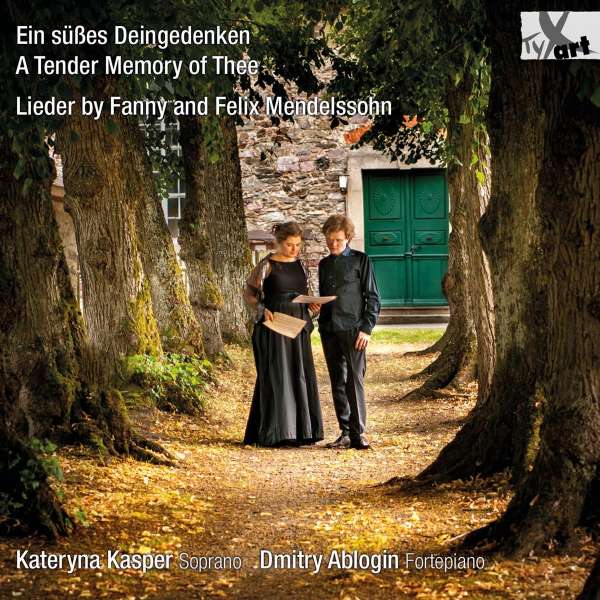
Ein süßes Deingedenken (A Tender Memory of Thee) – Lieder by Fanny and Felix Mendelssohn
Sebastian Scotney, www.theartsdesk.com 10.09.2022
"(…) the album here is quite simply a gem in its own right. Ein süßes Deingedenken, the new double album of songs by the Mendelssohn siblings from Kateryna Kasper and Dmitry Ablogin gives pleasure and cause for thought on so many different levels. (…) The thing which caught my attention immediately might appear a bit tangential: the very first sound one hears is an improvised fortepiano introduction to Felix’s “Auf Flügeln des Gesanges”, and it was the sound of the instrument being played by Dmitry Ablogin which had me grabbing for the booklet to find out more. The remarkable piano here is from 1835 and was made by Aloys Aegydius Biber. (…)There are plenty of places to hear what a stupendous fortepianist Ablogin is: the stormy Brocken he conjures up in Felix’s “Hexenlied” is spookily spellbinding, and he certainly earns his fee and more by dint of the sheer virtuosity and the quantity of notes in Fanny’s “Anklänge”.
Soprano Kateryna Kasper’s sense of how to shape a rising phrase, her way of giving the voice a floating and weightless quality as it rises is just wonderful; Fanny’s “Achmed and Irza” is a great example of that. Her pacing of slow songs is remarkable, as in Fanny’s “Harfner” song (‘Wer sich der Einsamkeit ergibt’). Her dreamy to-die-for legato is on a level with Gundula Janowitz’s in Fanny’s “Vorwurf”. The album is superbly documented. For those who want to get nerdy and spend a quiet evening exploring the Hellwig-Unruh numbers of Fanny Mendelssohn compositions, they’re all there. More importantly, the substantial programme essay examines the way the Mendelssohn siblings supported and influenced each other, with a lot of evidence from their letters to each other. Maybe it is not fanciful to see Fanny and Felix as one of the dream teams in the history of songwriting. This great double album certainly provides ample evidence for that assertion."
©Andreas Kasper
www.klassik-heute.de, Rainer W. Janka 01.07.2022
„Kateryna Kasper is one of those rare sopranos one can listen to for a long, long time, without ever growing tired of her voice: she always sings properly on the breath, follows the emotions set to music, lets her beautifully toned soprano flow and shine freely, can place the high notes with ease, captivates through precise articulation and the emphasis on words essential to meaning (...). One is always convinced by her taste, the elegance of her tone production, the careful shaping of the vowels, and the pure stream of the voice.
Dmytri Ablogin plays a fortepiano by Alois Biber, built around 1835, from which he draws many finely shaded sounds. At times the fortepiano resembles a guitar, at times a harp, at times it surges like waves, at times it flutes like a nightingale, then again it bursts forth full of life and intoxication—and always he envelops the singer’s voice with well-balanced nuance.
The sound engineer provides a finely wrought balance, close to the singer’s mouth, yet never allowing either of the two performers to push entirely into the foreground. All in all, an excellent presentation of the art of song by Fanny Hensel and of the symbiotic sibling relationship of the two child prodigies from the Mendelssohn family: highly recommended!“
©Andreas Kasper
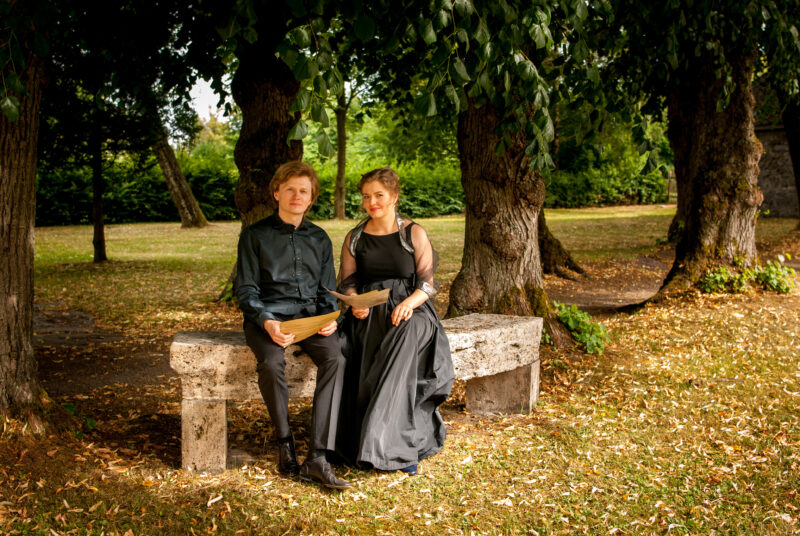 ©Andreas Kasper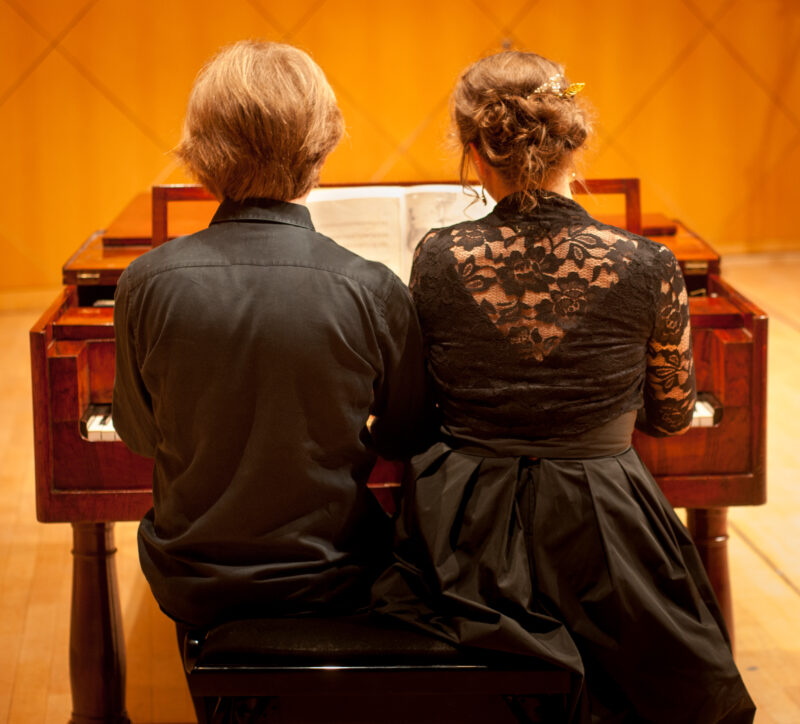
- Felix Schilflied Op. 71 Nr. 4 (1842) Kateryna Kasper & Dmitry Ablogin 2:58
- Fanny Anklänge III - Könnt ich zu den Wäldern flüchten (1841) Kateryna Kasper & Dmitry Ablogin 2:17
- Fanny Schwanenlied Op. 1 Nr. 1 (1840) Kateryna Kasper & Dmitry Ablogin 3:12
- Fanny Nach Süden Op. 10, Nr. 1 [posthum] (1841) Kateryna Kasper & Dmitry Ablogin 1:52
- Felix Nachtlied Op. 71 Nr. 6 (1847) Kateryna Kasper & Dmitry Ablogin 2:50
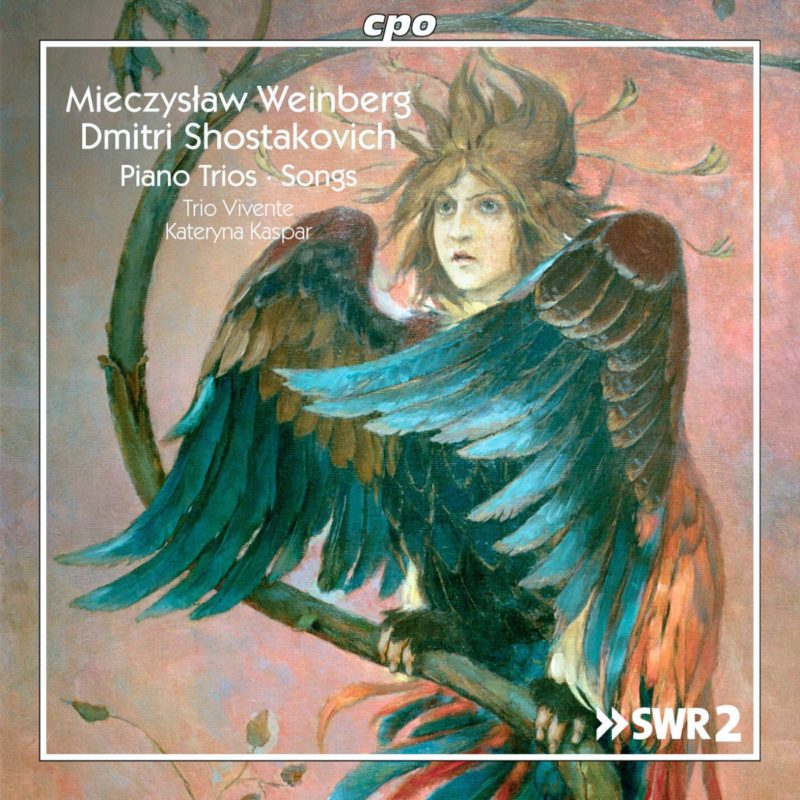
Mieczysław Weinberg - Dmitri Shostakovich - Piano Trios - Songs
- Miecysław Weinberg – Einleitung (Jewish Songs op.13) Kateryna Kasper, Trio Vivente 1:16
- Dmitri Shostakovich – Sturm. Allegro (Seven Romances Op. 127 ) Kateryna Kasper, Trio Vivente 2:02
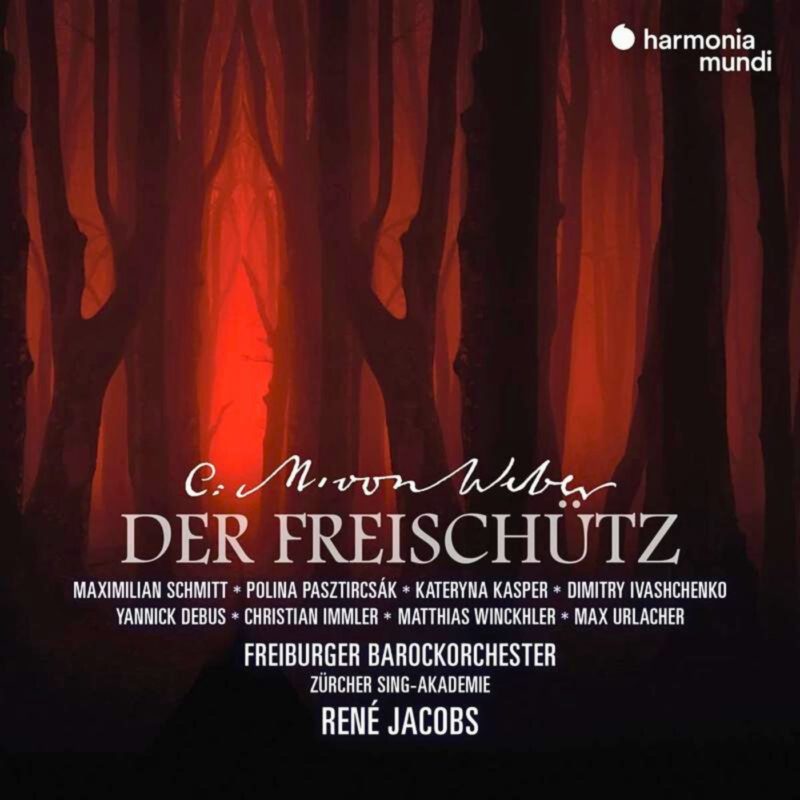
Der Freischütz, Singspiel (Berlin, 1821)
- Act 2 Scene 1: Nr. 7, Arietta Kateryna Kasper, René Jacobs 4:43
- Act 3 Scene 3: Nr. 13, Romanza ed Aria Kateryna Kasper, René Jacobs 6:02
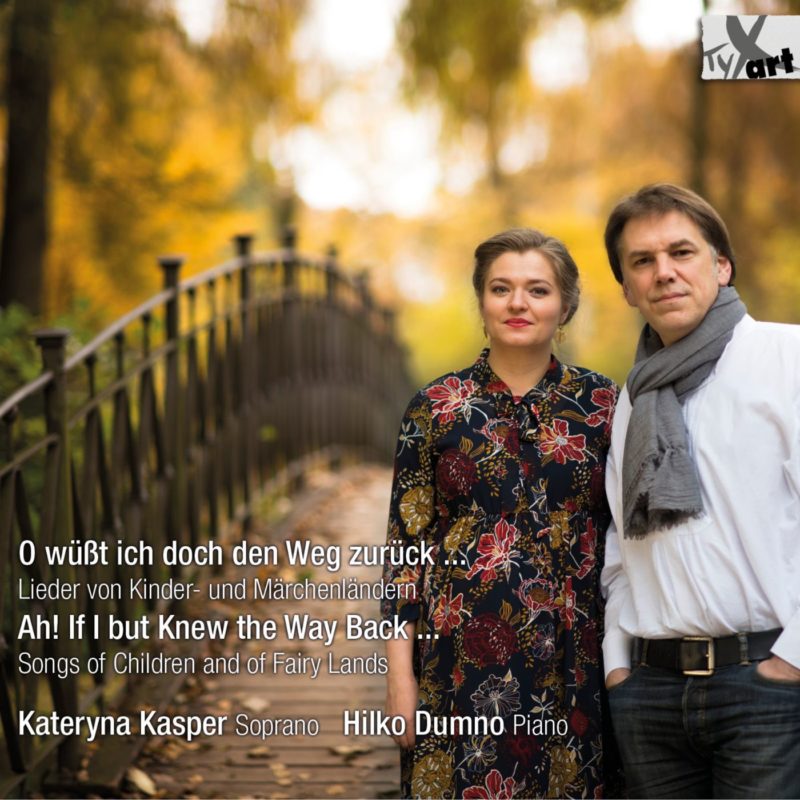
- Modest Musorgskij - S njanej (Mit der Njanja) aus Detskaja (Kinderstube) Nr. 1 Kateryna Kasper, Hilko Dumno 01:02
- Clara Schumann - Lorelei Kateryna Kasper, Hilko Dumno 01:24
- Sergej Rachmaninoff - Zdes' khorosho (Wie schön ist es hier) Op. 21 Nr. 7 Kateryna Kasper, Hilko Dumno 00:51
- Franz Schubert - Auf dem Wasser zu singen D 774 Kateryna Kasper, Hilko Dumno 01:14
- Robert Schumann - Sehnsucht Op. 51 Nr. 1 Kateryna Kasper, Hilko Dumno 01:11
- Johannes Brahms - Feldeinsamkeit Op. 86 Nr. 2 Kateryna Kasper, Hilko Dumno 00:49
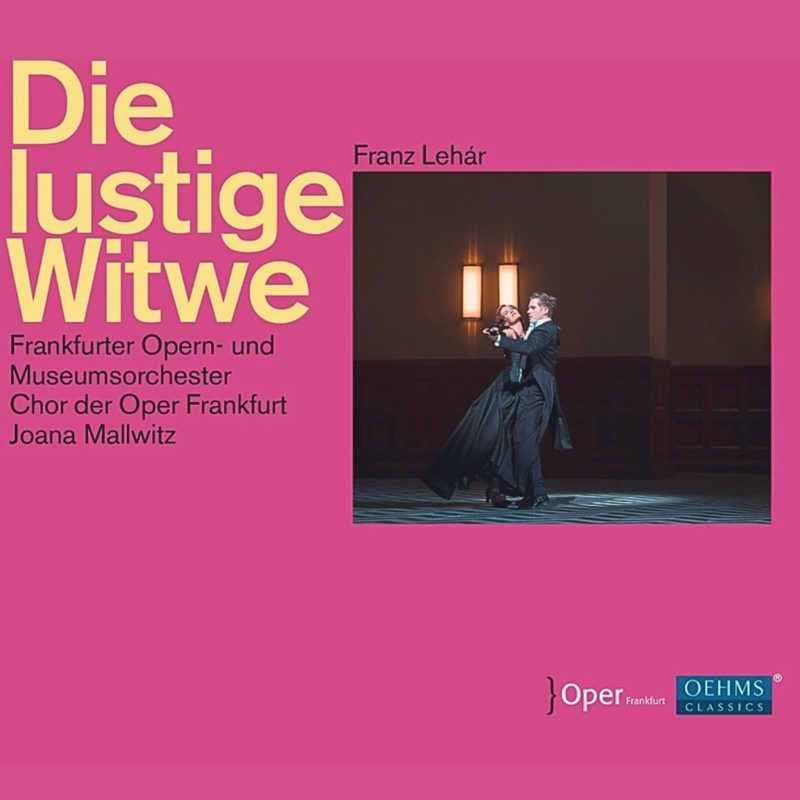
Franz Lehàr Die lustige Witwe
- Duett - So kommen Sie! Kateryna Kasper, Oper Frankfurt 1:33
- Duett - Mein Freund, Vernunft! Kateryna Kasper, Oper Frankfurt 0:50
- Chanson - Ja, wir sind es, die Grisetten Kateryna Kasper, Oper Frankfurt 0:50
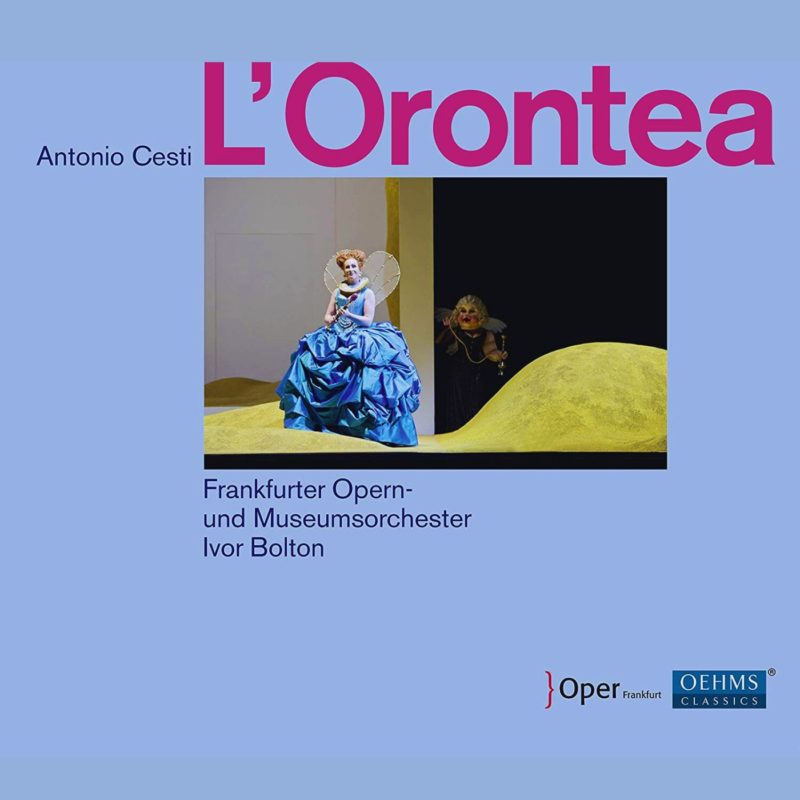
Cesti, L'Orontea
- Scena 3. Eccomi a' piedi tuoi Kateryna Kasper, Oper Frankfurt 1:09
- Scena 7. Dove, dove, infelice me Kateryna Kasper, Oper Frankfurt 0:40
- Scena 10. Infelice Kateryna Kasper, Oper Frankfurt 1:02
- Scena 13. Il mio ben dice ch' io speri Kateryna Kasper, Oper Frankfurt 0:47
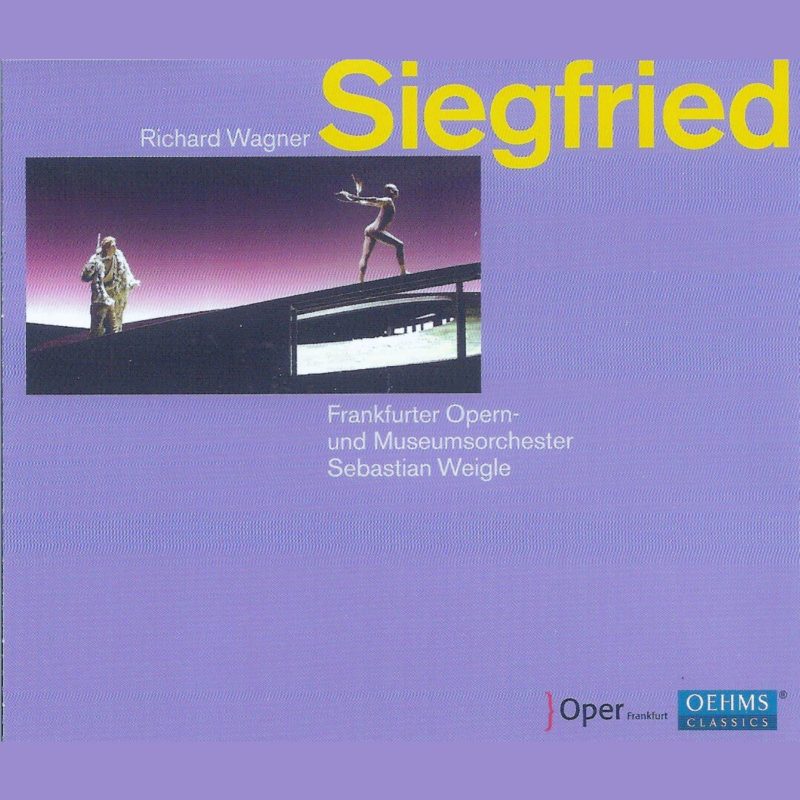
R. Wagner - Siegfried
- Act II Scene 3: Nun Sing'! Ich Lausche Dem Gesang (Siegfried, Waldvogel) 9 Siegfried 4:40
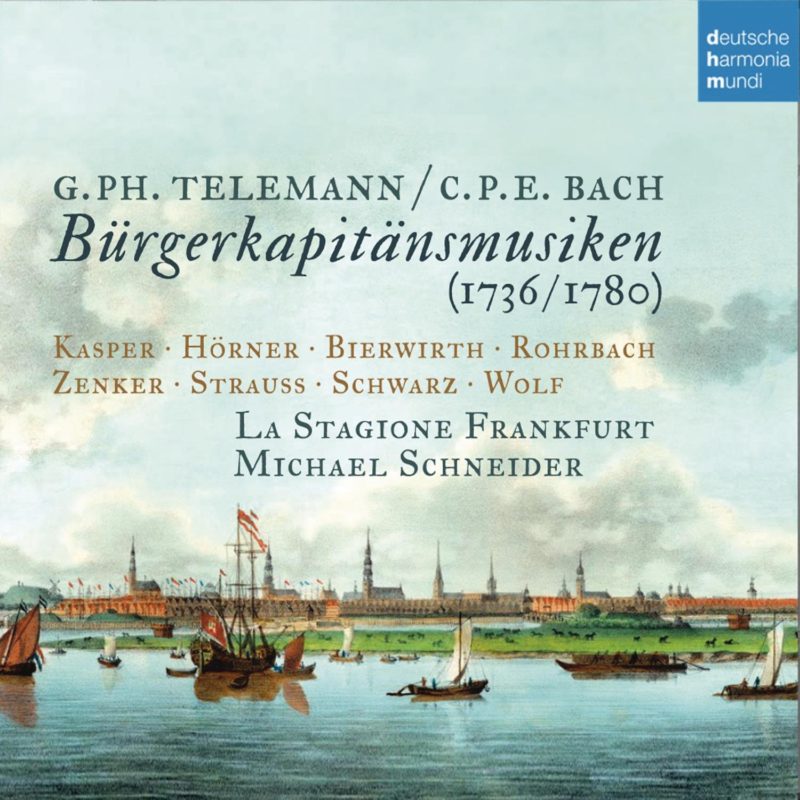
Bürgerkapitänsmusiken (1736/1780)
- Telemann - "Entledigt, ihr Helden die streitbaren Hände" (Arie Friede) Kateryna Kasper - La Stagione Frankfurt, Michael Schneider 3:36
- Telemann - "Drohe, wüte, stampfe, schnaube" (Arie Friede, Glück) Kateryna Kasper & Andreas Wolf - La Stagione Frankfurt, Michael Schneider 1:57
- Telemann - "Nur fort" (Rezitativ Friede) Kateryna Kasper - La Stagione Frankfurt, Michael Schneider 0:31
- C.P.E. Bach - "Heil mir! Ich höre meiner Söhne" (Rezitativ Hammona) Kateryna Kasper - La Stagione Frankfurt, Michael Schneider 1:08
- C.P.E. Bach - "Du Schöpfer meiner Freudenfeste" (Arie Hammona) Kateryna Kasper - La Stagione Frankfurt, Michael Schneider 2:03