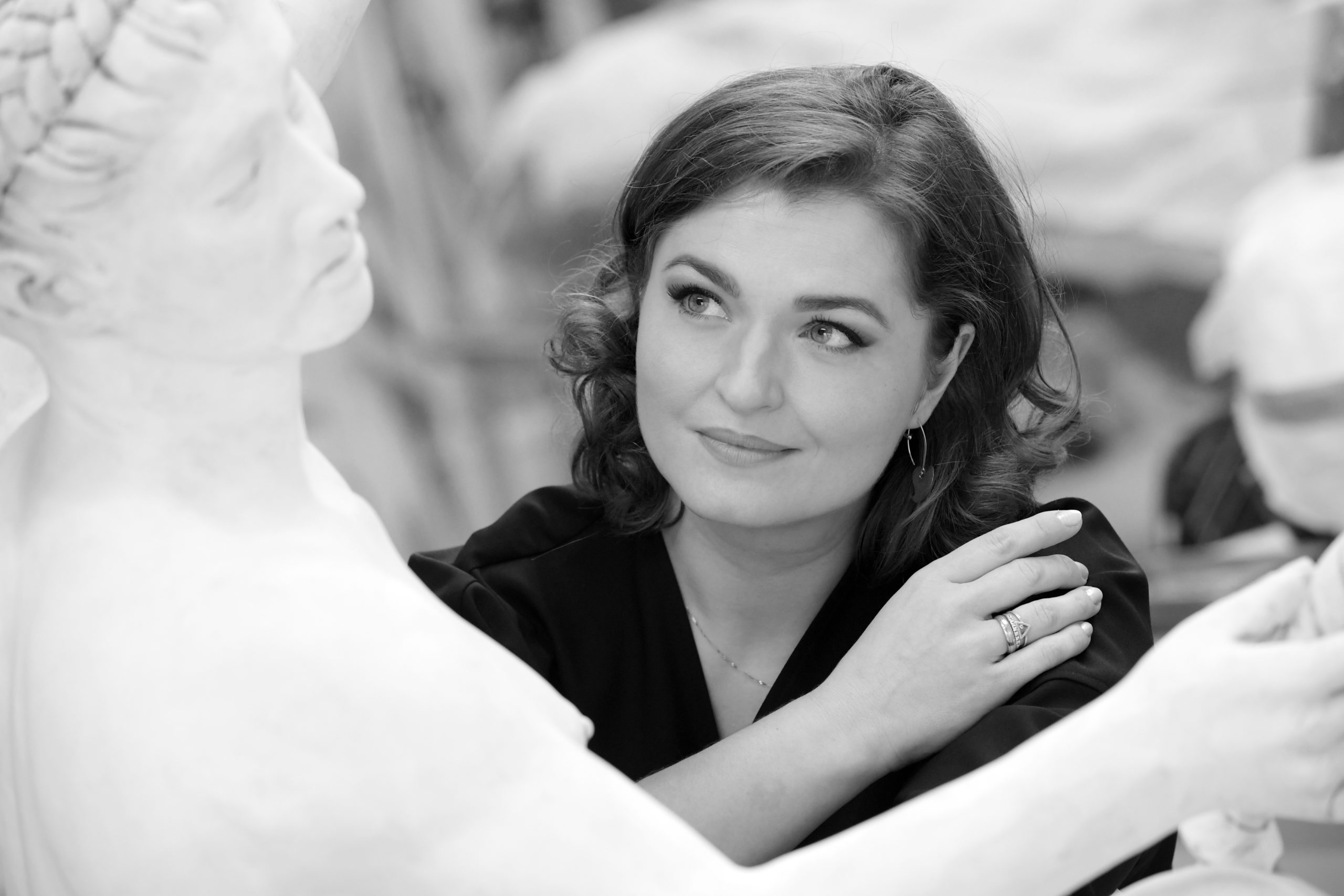
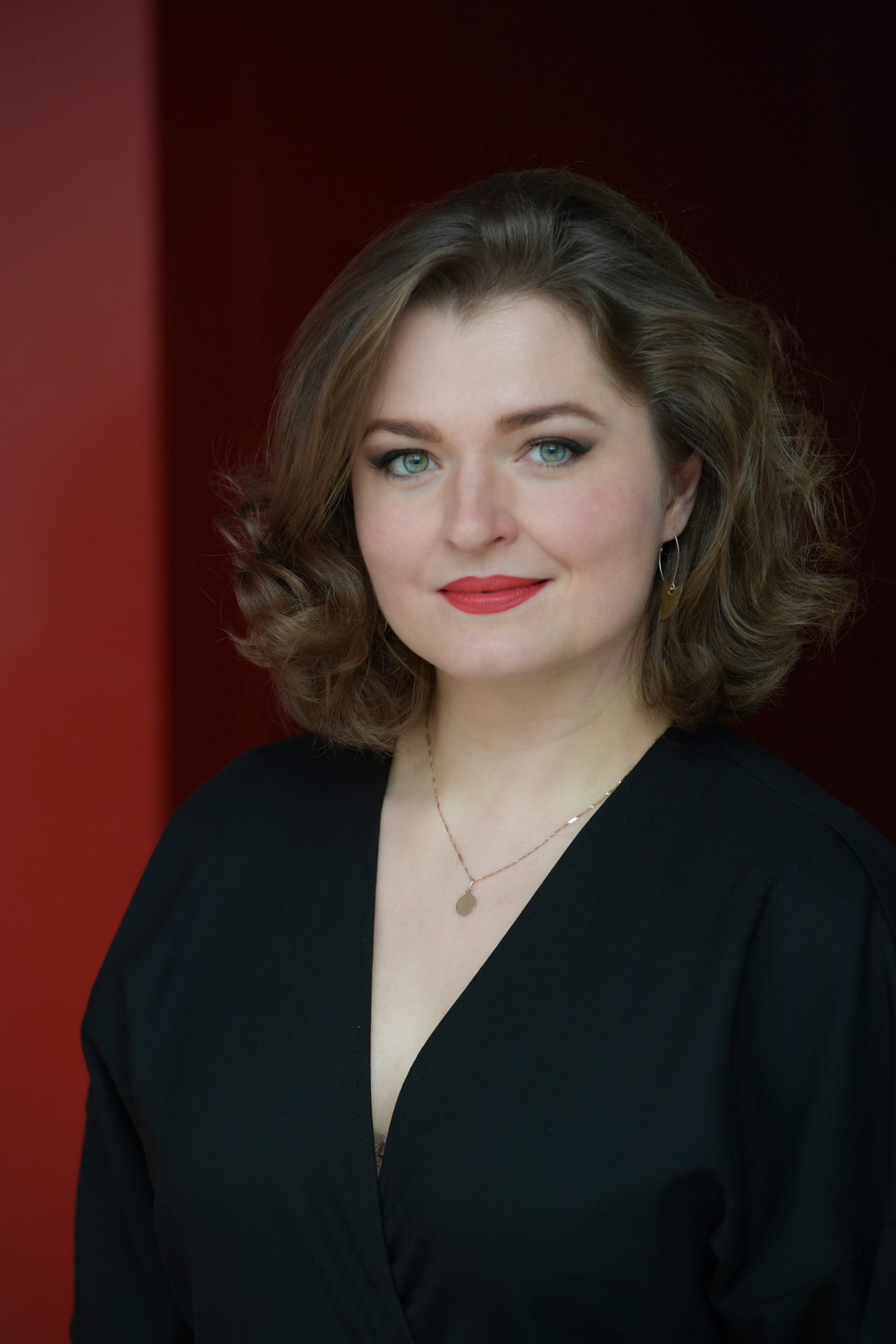
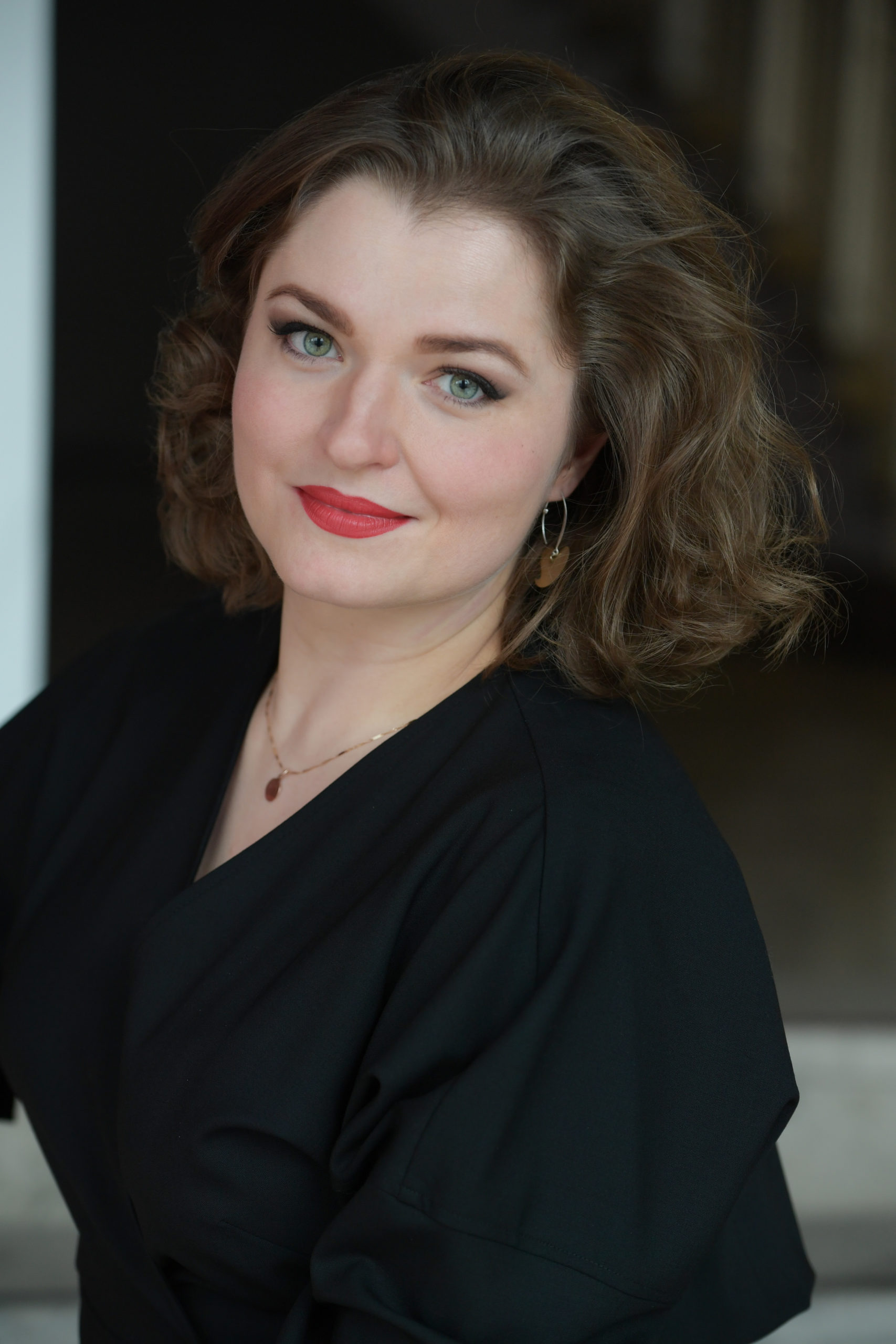
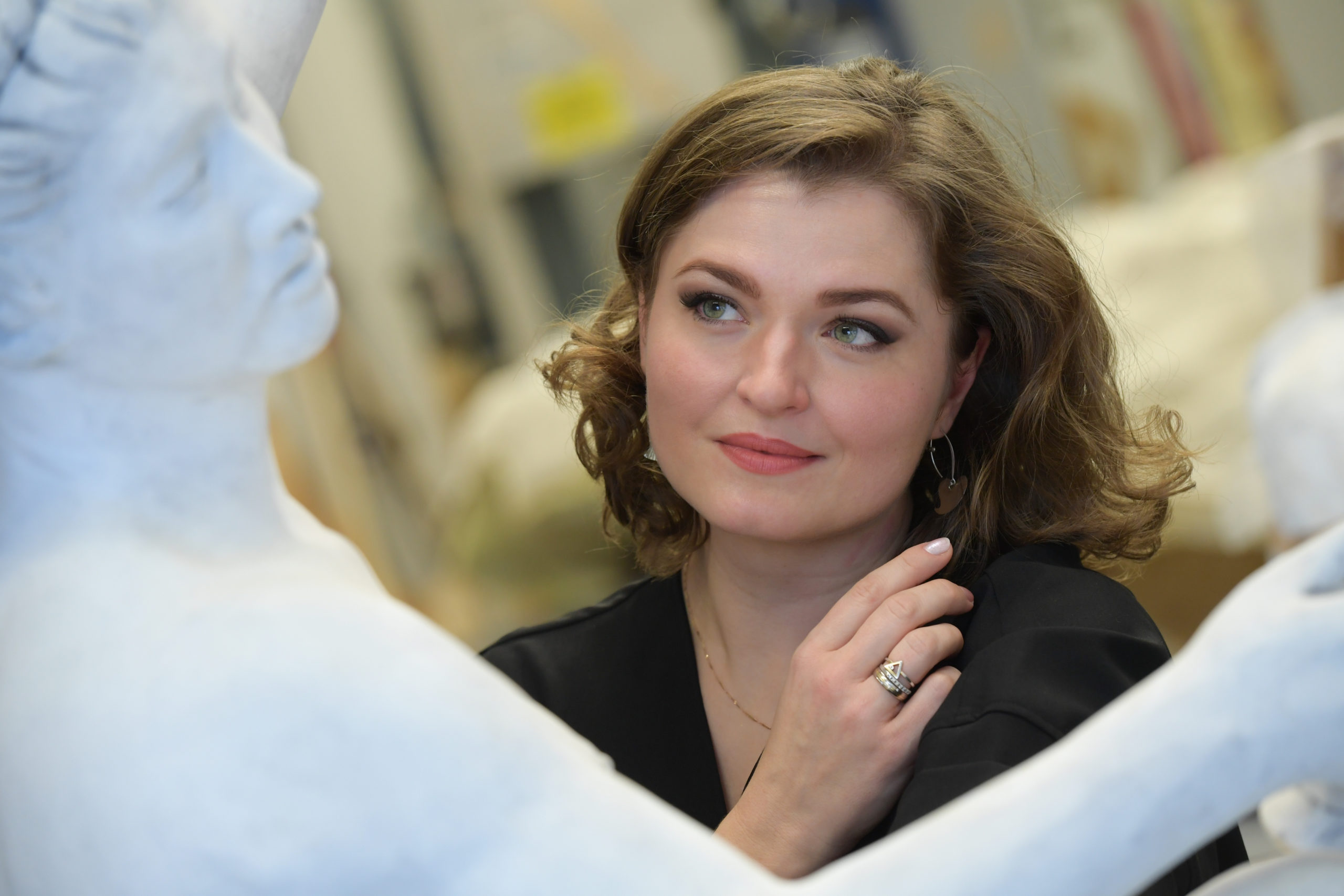
In conversation with Martina Marie Heroldová on 3 August 2025, discussing PASSIONE D’AMORE at the Church of St. Simon and Judas.
This year’s Summer Festival of Early Music will culminate on August 5th in the Church of St. Simon and Judas with a concert subtitled Passione d’amore. The star of the evening will be the internationally renowned Ukrainian-German soprano Kateryna Kasper, whose repertoire ranges from baroque opera to oratorios to songwriting and who has been recognized on leading European and overseas stages. In an interview for the KlasikaPlus.cz portal, she not only describes her interpretative approach to Italian baroque music, but also the personal relationship she has with the chosen repertoire. At the concert, she will perform together with Czech baritone Roman Hoza and the Collegium Marianum ensemble under the direction of Jana Semerádová.
What does performing in Prague at the Early Music Summer Festival mean to you personally?
I’m very happy to return to Prague — it’s only my second time performing here, but I’ve truly fallen in love with the city. There’s something quite special about making Baroque music in such a historic and atmospheric place.
Is this your first collaboration with the Collegium Marianum ensemble?
This is my first collaboration with Collegio Marianum and I am really looking forward to it. Being part of this festival alongside an ensemble so deeply connected to the Baroque repertoire and sharing this wonderful music with a new audience feels natural, inspiring and truly meaningful.
How did you choose the repertoire for the Passione d’amore concert?
Passione d’amore brings together arias and duets from Handel’s Giulio Cesare and Vivaldi’s Il Giustino. While Giulio Cesare is one of Handel’s most beloved and frequently performed operas, Il Giustino is rarely staged in its entirety — yet it’s a true musical gem, far beyond the famous aria „Vedrò con mio diletto.“
What connects these two works?
Interestingly, both operas premiered in the same year, 1724, one in London, the other in Rome. Handel’s Cleopatra was originally sung by the famous soprano Francesca Cuzzoni, while Vivaldi wrote the role of Arianna for a soprano castrato, so it has extraordinary vocal demands and expressive range.
Both characters are driven by love, but their paths are very different. Cleopatra is politically strategic, seductive, but deeply human in her vulnerability. Arianna is courageous, emotionally direct — she fights for love, faces betrayal and danger. What connects them is the passion embedded in the music and the intensity of their inner lives: both are strong women navigating power and emotion in high-stakes worlds.
Do you have a deeper personal connection to any of the works or arias in the program?
This fall I will make my debut as Cleopatra – a role I have dreamed of for many years. Although I have performed many Handel heroines, Cleopatra is a new character for me, still to be fully discovered. In Prague, I’ll sing her arias in public for the very first time, which makes this moment very special.
I have a stronger personal connection to Arianna. I performed her at the Staatsoper Berlin three years ago and felt great joy bringing this bold, witty, and courageous woman to life.
What do you think is the biggest challenge in interpreting early music, especially the Baroque repertoire?
Baroque music is full of color, gesture, and emotional complexity. It requires both vocal discipline and imagination, not least because compositions from this period demand from the interpreter to add a great variety of embellishments according to their “good taste” as well as to invent completely free alterations in the da capo parts. Its rhythmic “drive”, ornamentation, and unique expressive language make interpretation with a contemporary understanding both a challenge and a gift. This music speaks directly to our hearts, but at the same time requires a careful balance between historical style and personal expression. For me, the real task is to make those emotions feel fresh and true today, without losing the depth and elegance of the style.
How would you invite or encourage listeners who may not have much experience with early music to attend a concert? What can they expect?
I would say: “Let yourself be surprised!” Early music is far from dusty – it is full of life, sensuality, drama and raw emotion. It amazes me how these stories and feelings still speak to us so deeply after three hundred years. They are human and timeless. If you open yourself to them, you will discover an intense and moving experience that will stay with you long after the concert ends.